{{INCLUDE: site-header}}
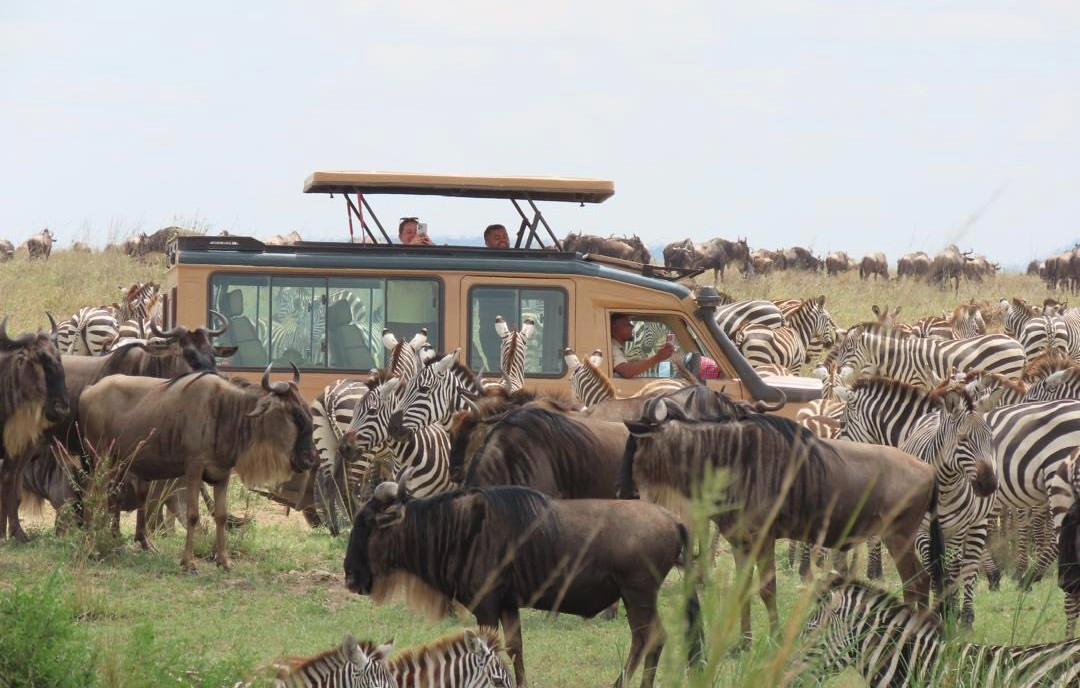
Wildebeest and zebra herds moving across the grass plains of the Serengeti in northern Tanzania

Tanzania Safari Destinations: Discover the Best National Parks

Tanzania is not one safari destination but several distinct wildlife regions, each with its own landscapes, seasons and rhythms. In the north, the Serengeti's plains carry the Great Migration, the Ngorongoro Crater shelters remarkable wildlife density inside a volcanic caldera, Tarangire gathers elephants among ancient baobabs, and Lake Manyara packs groundwater forest, escarpment and birdlife into a compact park. In the south, Nyerere and Ruaha offer far quieter wilderness, river-based safaris and a sense of space that is increasingly rare.

The best destination for you depends on your travel dates, the wildlife you most want to see, how long you have and your budget. This guide sets out what each destination does well, so you can plan a private itinerary around your priorities rather than a fixed checklist.

Six Tanzania Safari Destinations Worth Planning Around

Each of these destinations rewards a different kind of trip. Read the seasonal notes and the itinerary fit before you decide which ones belong in your route.

Wildebeest and zebra on the open grass plains of Serengeti National Park during the Great Migration

Northern Circuit

Serengeti National Park Safari: Migration Plains and Big Cats

The Serengeti is the anchor of most Tanzania safari itineraries: a vast mosaic of short-grass plains, acacia woodland, granite kopjes and riverine forest that supports an exceptional concentration of large mammals. It is also the stage for the Great Wildebeest Migration, the seasonal movement of wildebeest, zebra and gazelle across the wider Serengeti ecosystem. The park is large enough that different regions offer genuinely different experiences in the same month.

Wildlife and landscapes

  • Wildebeest, zebra and gazelle, with their location shifting through the year
  • Strong resident predator populations, particularly lion, cheetah and leopard
  • Elephant, giraffe, hippo, buffalo and crocodile in the river systems
  • Classic kopje scenery and open horizons in the Seronera and central regions

Best time to visit

The Serengeti can be visited year-round because significant wildlife remains in the park in every month; what changes is where the migrating herds are. The southern plains and Ndutu area are usually the focus from roughly December to March, when calving takes place. The long rains typically arrive around April and May, when the herds move through the central and western Serengeti and some camps close. From roughly June to October the dry season concentrates wildlife around water, and the northern Serengeti becomes the focus. River crossings may occur in the north during that window, but the migration is a natural event and no crossing or specific sighting can be guaranteed.

Who it suits: travellers who want the classic plains experience, photographers, and anyone hoping to spend meaningful time with big cats.

How it fits an itinerary: most travellers spend three to five nights, split between two regions where dates allow, and pair the Serengeti with the Ngorongoro Crater and Tarangire. Internal flights connect the Serengeti with Arusha and with Zanzibar.

Plan a Serengeti safari
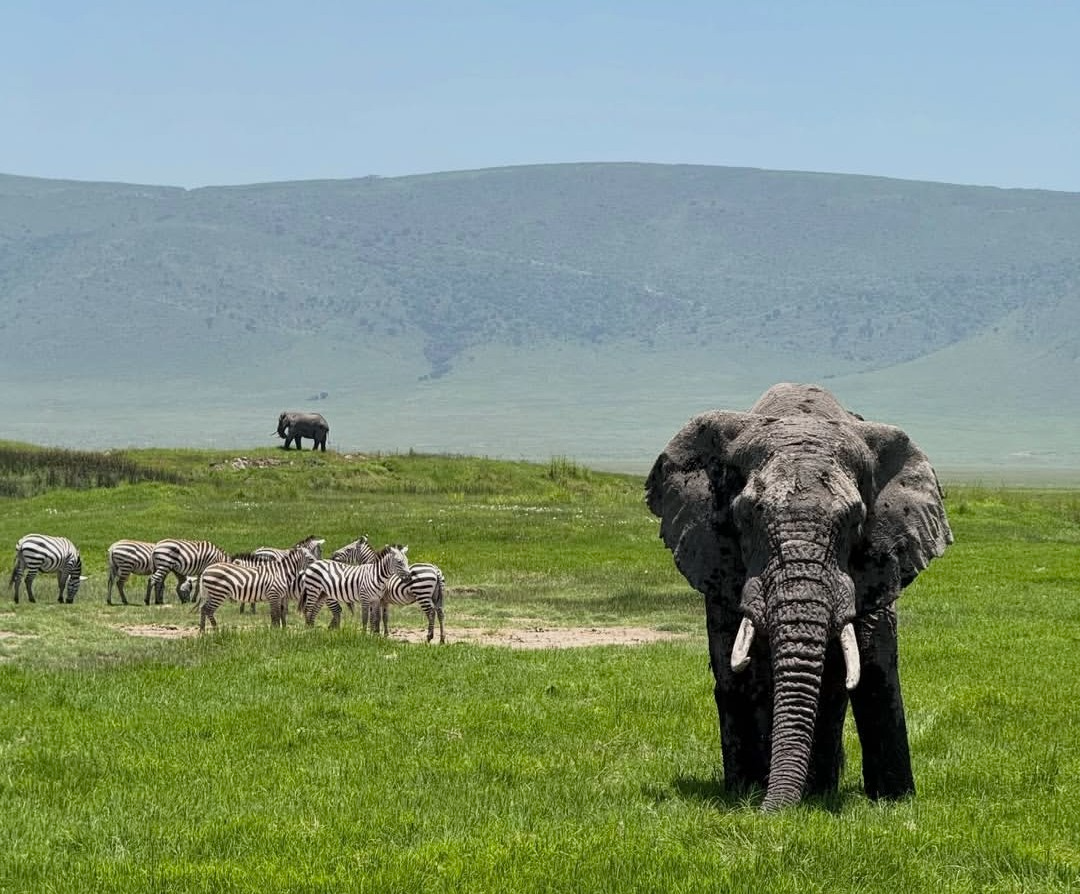
View from the rim of the Ngorongoro Crater across the caldera floor in Tanzania

Northern Circuit

Ngorongoro Crater Safari: A Volcanic Caldera in the Northern Circuit

It helps to separate two things that are often used interchangeably. The Ngorongoro Conservation Area is a large multiple-land-use area that includes the crater, the Ndutu plains, archaeological sites and land used by Maasai communities. The Ngorongoro Crater itself is a collapsed volcanic caldera roughly nineteen kilometres across, with a floor of grassland, swamp, lake and woodland ringed by steep walls. Almost all safaris here mean a descent to the crater floor in a 4x4.

Wildlife and landscapes

  • High wildlife density in a relatively small area, which makes for productive game viewing
  • Black rhino are present in the crater, though sightings are never guaranteed
  • Opportunities to see lion, elephant, buffalo and, less often, leopard — the species often grouped as the Big Five
  • Flamingos and other waterbirds when the soda lake conditions suit
  • Extraordinary views from the crater rim, particularly in early morning

Best time to visit

The crater is a year-round destination. The dry months from roughly June to October generally offer easier viewing and clearer conditions, while the green season brings lush scenery and fewer vehicles. Time on the crater floor is regulated, so visits are usually planned around an early descent. Mid-morning can be busy, particularly in the high season.

Who it suits: first-time visitors who want a strong chance of varied wildlife in a short space of time, and travellers with limited days who want a compact but dramatic landscape.

How it fits an itinerary: one night on the crater rim with a morning descent is the standard approach, combined with Tarangire or Lake Manyara on the way in and the Serengeti beyond. It sits naturally within almost any Northern Circuit safari itinerary.

Add the crater to my itinerary
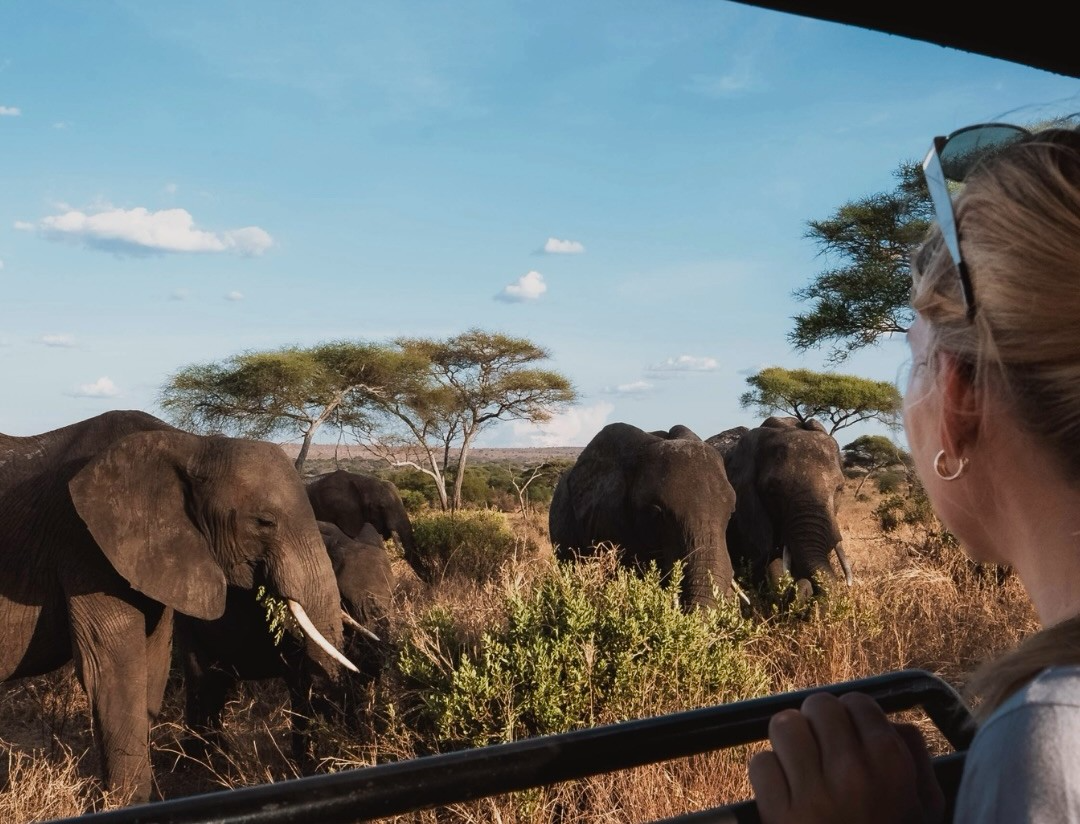
Elephant herd walking past baobab trees in Tarangire National Park, Tanzania

Northern Circuit

Tarangire National Park Safari: Elephants, Baobabs and the Tarangire River

Tarangire is the Northern Circuit park that most often surprises people. Its landscape of rolling grassland, dense bush and monumental baobabs feels quite different from the Serengeti's open plains, and the Tarangire River acts as a seasonal magnet for wildlife. Because it sits within relatively easy reach of Arusha, it works well as a first or last stop on a northern route.

Wildlife and landscapes

  • Large elephant herds, particularly when wildlife concentrates near the river
  • Ancient baobab trees and palm-lined river valleys
  • Lion, leopard, buffalo, giraffe, zebra and a wide range of antelope
  • Strong birdlife, with dry-country and riverine species well represented

Best time to visit

From roughly June to October, dry-season conditions draw wildlife towards the Tarangire River and water sources, which is when the park is at its most concentrated and the elephant herds are most visible. From roughly January to March the park turns green, wildflowers appear, birdlife is excellent and visitor numbers drop — but wildlife disperses more widely, so sightings require more driving. Both seasons have real merits depending on what you value.

Who it suits: travellers who want elephants and baobab scenery, photographers, and anyone building a Northern Circuit route who wants variety rather than more plains.

How it fits an itinerary: one or two nights is typical. Tarangire pairs neatly with Lake Manyara or the Ngorongoro Crater at the start of a northern safari, or as a final stop before returning to Arusha.

Include Tarangire in my trip
Groundwater forest beneath the Rift Valley escarpment in Lake Manyara National Park, Tanzania

Northern Circuit

Lake Manyara National Park Safari: Forest, Escarpment and Birdlife

Lake Manyara National Park is small, and that is precisely its appeal. Within a short drive you move from dense groundwater forest fed by the Rift Valley escarpment, through acacia woodland and open grassland, to the soda lake itself. The result is a compact park with more habitat variety than its size suggests, set beneath a dramatic wall of escarpment.

Wildlife and landscapes

  • Groundwater forest with large baboon troops and forest bird species
  • Elephants moving between the forest and the lake shore
  • Giraffe, buffalo, hippo and a range of antelope
  • Excellent birdlife, including flamingos and other waterbirds when lake conditions suit
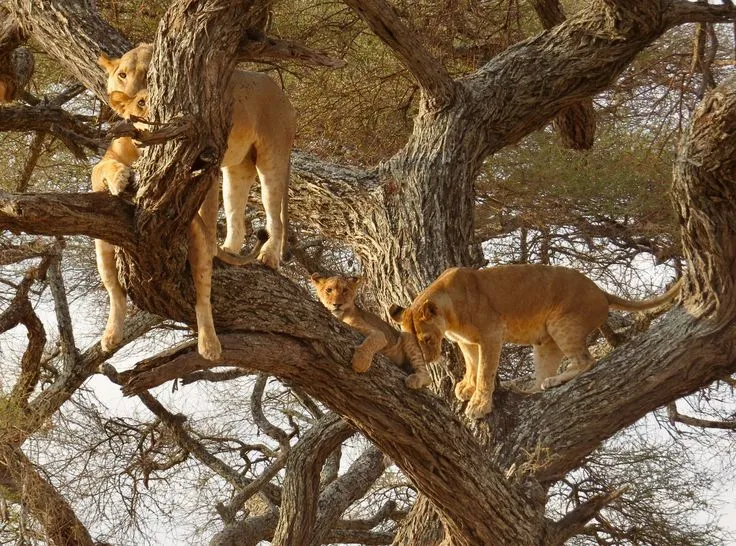
  • Tree-climbing lions, which the park is known for — sightings are occasional, not guaranteed

Best time to visit

The park is visitable throughout the year. The dry months from roughly June to October offer easier viewing and clearer escarpment views, while the green season brings lush forest, fuller waterfalls and strong birding. Because the park is compact, a half-day or single day is usually enough, and it rarely needs more than one night.

Who it suits: travellers who want habitat and birding variety, photographers interested in forest and escarpment scenery, and anyone with a spare half-day at the start of a northern route. Travellers focused purely on open-plain wildlife may prefer to spend the time elsewhere.

How it fits an itinerary: Lake Manyara slots in between Arusha and the Ngorongoro highlands as a gentle first or last day, and works well as a contrast to Tarangire and the Serengeti.

Ask about a Lake Manyara stop
Boat safari on the Rufiji River in Nyerere National Park, southern Tanzania

Southern Circuit

Nyerere National Park Safari: River Safaris in Southern Tanzania

Nyerere National Park was established in 2019 from part of the former Selous Game Reserve, and it remains one of Africa's largest protected wilderness areas. Its defining feature is water: the Rufiji River and its network of channels and lakes shape both the landscape and the safari experience. Where the northern parks are about driving across open plains, Nyerere is about moving quietly along the water.

Wildlife and landscapes

  • Boat safaris on the Rufiji River, where available, offering a different perspective on wildlife and birdlife
  • Walking safaris in selected areas, subject to park regulations and camp availability
  • Elephant, hippo, crocodile, buffalo, lion and leopard
  • African wild dogs, which the wider ecosystem is known for — sightings are never guaranteed
  • Very low vehicle densities compared with the Northern Circuit

Best time to visit

The dry season from roughly June to October is generally the most comfortable and productive window, with wildlife concentrated near water. The green season from roughly January to March brings lush scenery and excellent birding, though some camps close and road conditions can be heavier. Given the distances involved, most travellers stay three nights or more.

Who it suits: repeat safari travellers, birders, photographers interested in water-based wildlife and anyone who values remoteness over convenience.

How it fits an itinerary: Nyerere is normally reached by light aircraft from Dar es Salaam or Zanzibar, which makes it a natural pairing with a beach extension. It can be combined with Ruaha for a full southern circuit, and works less well as a short add-on because of flight logistics.

Plan a Nyerere safari
Baobab trees and the Great Ruaha River in Ruaha National Park, Tanzania

Southern Circuit

Ruaha National Park Safari: Remote Wilderness and Rugged Landscapes

Ruaha is Tanzania's largest national park, and it feels it. The landscape shifts between rugged escarpment, broad miombo woodland, open plains and the Great Ruaha River, which becomes the focus of wildlife activity as the dry season progresses. Visitor numbers here are a fraction of those in the north, and that quiet is a large part of the appeal.

Wildlife and landscapes

  • Elephants, often in substantial numbers along the river corridor
  • Predators including lion, leopard, cheetah and African wild dog
  • Species less commonly seen in the north, such as greater kudu, roan and sable antelope
  • Baobabs, rocky outcrops and wide river views
  • Rich birdlife, with both miombo and riverine species represented

Best time to visit

The dry season from roughly June to October is the classic window, when wildlife gathers along the Great Ruaha River and vegetation thins. The green season from roughly January to March brings dramatic skies, newborn animals and superb birding, though some camps operate seasonally and wildlife spreads out. Ruaha is a destination for travellers who are comfortable with a slower, more exploratory rhythm.

Who it suits: experienced safari travellers, photographers, birders and anyone prioritising solitude over ticking off a list of parks.

How it fits an itinerary: Ruaha is typically reached by light aircraft from Dar es Salaam or Zanzibar, with connections from Arusha and other parks depending on schedules. Three to four nights allows the park to be explored properly, and it pairs well with Nyerere for a genuine southern circuit.

Enquire about Ruaha

All Tanzania Safari Destinations and Regions

Beyond the six featured parks, these are the destinations, towns and landmarks that most often shape a Tanzania itinerary — from the safari capital of Arusha to the slopes of Kilimanjaro and the beaches of Zanzibar.

Serengeti National Park UNESCO World Heritage
National Park

Serengeti National Park

Tanzania's most famous wildlife sanctuary and the stage for the Great Migration. Endless plains, resident big cats and year-round game viewing make it the anchor of most northern itineraries.

Great Migration Big Cats Hot Air Balloon
Ngorongoro Crater Ancient Caldera
UNESCO World Heritage Site

Ngorongoro Crater

A collapsed volcanic caldera with a remarkable concentration of wildlife on its floor. The crater is one of the most reliable places in Tanzania to look for black rhino alongside lion, elephant and buffalo.

Big Five Chances Black Rhino Crater Rim Lodges
Tarangire National Park Elephant Country
National Park

Tarangire National Park

Known for its elephant herds and iconic baobab trees. In the dry season, wildlife concentrates along the Tarangire River, making this one of the most productive parks on the Northern Circuit.

Elephant Herds Baobab Trees Rich Birdlife
Lake Manyara National Park Tree-Climbing Lions
National Park

Lake Manyara National Park

A compact park with surprising habitat variety — groundwater forest, acacia woodland, soda lake and the Rift Valley escarpment, plus the tree-climbing lions the park is known for.

Tree-Climbing Lions Flamingos Groundwater Forest
Arusha National Park Walking Safaris
National Park

Arusha National Park

Mount Meru, Ngurdoto Crater and the Momella Lakes in one accessible park. One of the few places in Tanzania where guided walking safaris are permitted alongside game drives.

Mount Meru Treks Walking Safaris Colobus Monkeys
Arusha — Safari Capital of Tanzania Safari Capital
City Destination

Arusha — Safari Capital

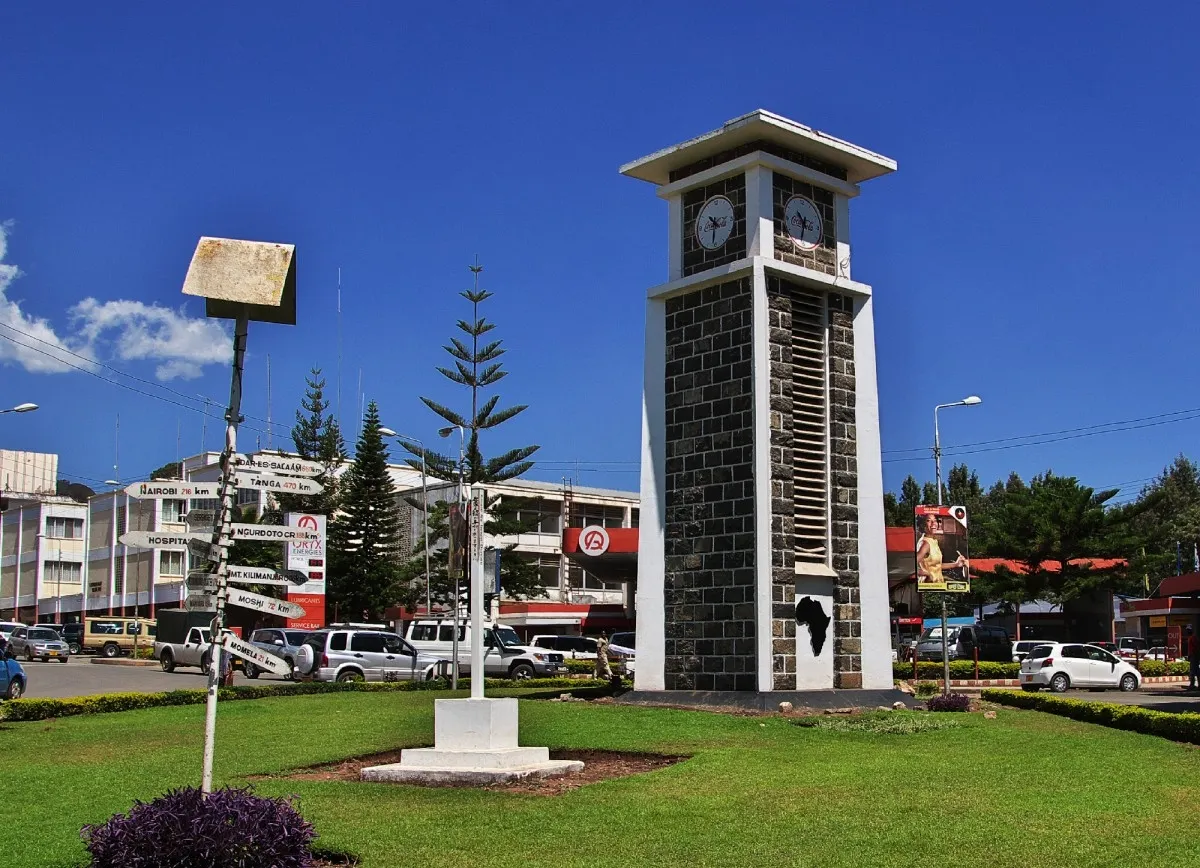
The gateway to the Northern Safari Circuit. Coffee tours, Maasai markets, the Tanzanite Experience Museum, the Cultural Heritage Centre and Mount Meru views — all from Tanzania's safari capital.

Coffee Plantations Maasai Markets Tanzanite Museum
Moshi — Kilimanjaro Gateway Kilimanjaro Basecamp
Town Destination

Moshi — Kilimanjaro Gateway

The main gateway for climbing Africa's highest peak. Materuni Waterfall, Chemka Hot Springs, Chagga culture and coffee plantations, with Kilimanjaro views on clear days.

Materuni Waterfall Chemka Hot Springs Chagga Culture
Dar es Salaam — Commercial Capital of Tanzania Commercial Capital
City Destination

Dar es Salaam

Tanzania's largest city and main Indian Ocean port. Bongoyo Island, Kariakoo Market, the National Museum and ferries to Zanzibar — and the main flight gateway for the southern parks.

Bongoyo Island Kariakoo Market Ferry to Zanzibar
Mount Kilimanjaro Africa's Highest Peak
Mountain / National Park

Mount Kilimanjaro

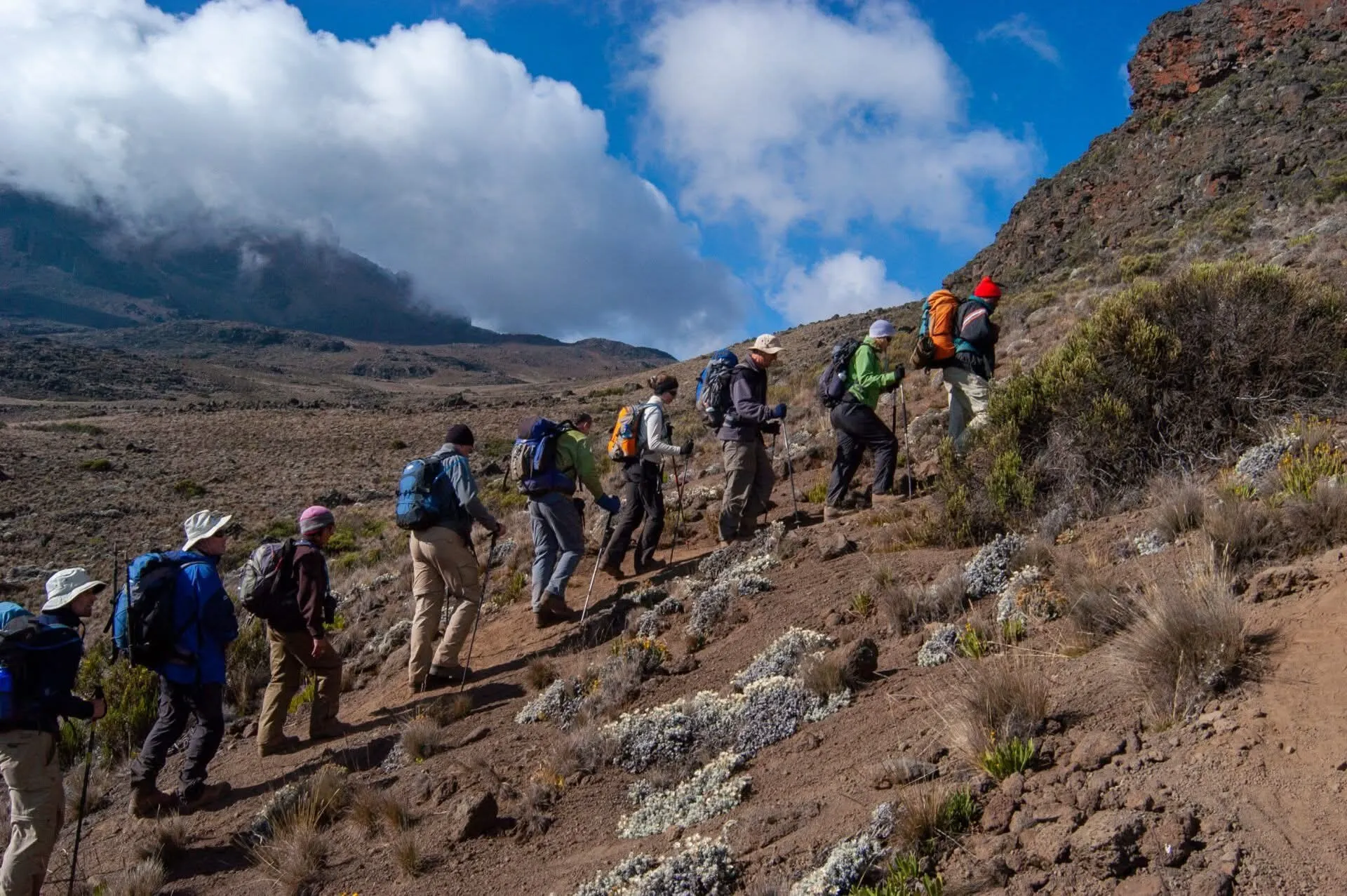
Stand on the Roof of Africa at 5,895 metres. The world's highest free-standing mountain offers several trekking routes through five climate zones, from rainforest to arctic summit.

Summit Treks 6–9 Days Machame & Lemosho Combine with Safari
Zanzibar Island Spice Island
Island Destination

Zanzibar Island

Turquoise water, white sand beaches and rich Swahili culture. The classic post-safari escape — snorkel the reefs, explore Stone Town's markets, or simply unwind at a beach resort.

Beach Resorts Stone Town UNESCO Diving & Snorkelling

Northern Circuit vs Southern Circuit: Which Tanzania Safari Is Right for You?

Tanzania's safari regions are usually grouped into two circuits, and the choice between them shapes almost everything else about your trip: how you travel, how long you need and what kind of experience you have. Neither circuit is better in any absolute sense — they simply suit different travellers.

Northern Circuit

Main destinations
Serengeti National Park, Ngorongoro Crater and Conservation Area, Tarangire National Park, Lake Manyara National Park and Arusha National Park.
Wildlife experience
Open plains, strong predator populations in the Serengeti, and the dramatic concentration of wildlife inside the Ngorongoro Crater. The Great Migration moves through this ecosystem for much of the year.
Access and logistics
Straightforward. Parks are reachable by road from Arusha, and internal flights link the Serengeti with Arusha and Zanzibar. This makes shorter itineraries genuinely feasible.
Typical duration
Three to eight days covers the core parks comfortably.
Best suited to
First-time safari visitors, families, travellers with limited time, and anyone who wants several distinct parks without long connecting flights.
Combining parks
Easy. Tarangire, Lake Manyara, the Ngorongoro Crater and the Serengeti link naturally by road and by short internal flight.

Southern Circuit

Main destinations
Nyerere National Park and Ruaha National Park, with Mikumi and Katavi as further options.
Wildlife experience
Remote wilderness, river-based wildlife viewing, boat safaris in Nyerere, and predators including African wild dog. Vehicle densities are far lower than in the north.
Access and logistics
Generally involves light-aircraft flights from Dar es Salaam or Zanzibar, and sometimes connections via Arusha. Fewer departures mean itineraries need to be built around flight schedules.
Typical duration
Five to ten days is more typical, given flight connections and the scale of the parks.
Best suited to
Repeat safari travellers, photographers, birders and anyone who values solitude and wildness over convenience.
Combining parks
Very achievable, but usually by air. Nyerere and Ruaha pair well together, and both connect to Zanzibar.

For many first-time visitors, the Northern Circuit is the more practical choice: the travel is simpler, the parks are close together, and a satisfying safari can be built in under a week. The Southern Circuit is the stronger option for travellers who prioritise remote wilderness, low traffic and experiences such as boat safaris, and who are happy to build the trip around internal flights. If your dates are flexible and your interests are specific, it is worth talking through both before you commit.

Tanzania Safari Destinations at a Glance

Use this table as a starting point, then check the seasonal notes above before finalising a route.

Comparison of six Tanzania safari destinations by what they are known for, who they suit and seasonal guidance.
Destination Known For Best Suited To Seasonal Guidance
Serengeti National Park Great Migration, vast plains, strong big cat populations, year-round wildlife First-time visitors, photographers, travellers with four or more safari days Southern plains and Ndutu roughly Dec–Mar; central and western Serengeti around Apr–Jun; northern Serengeti roughly Jul–Oct. Wildlife remains year-round.
Ngorongoro Crater Volcanic caldera, high wildlife density, black rhino, Big Five opportunities First-time visitors, short trips, travellers wanting dramatic scenery Visit year-round. Drier months roughly Jun–Oct give clearer conditions; green season is quieter. Crater-floor time is regulated, so early descents are usual.
Tarangire National Park Elephant herds, baobab landscapes, dry-season concentrations along the Tarangire River Travellers wanting variety, photographers, anyone building a Northern Circuit route Roughly Jun–Oct for concentrated wildlife; roughly Jan–Mar for green landscapes, birdlife and fewer visitors, with wildlife more dispersed.
Lake Manyara National Park Groundwater forest, Rift Valley escarpment, birdlife, baboons, tree-climbing lions Birders, photographers, travellers with a spare half-day or one night Year-round. Drier months roughly Jun–Oct for clearer views; green season for lush forest and stronger birding. A half-day to one day is usually enough.
Nyerere National Park Rufiji River boat safaris, riverine wildlife, African wild dogs, remote wilderness Repeat safari travellers, birders, travellers combining safari with Zanzibar Roughly Jun–Oct dry season for easier viewing; green season roughly Jan–Mar for scenery and birding, with some camps closed. Three nights or more recommended.
Ruaha National Park Rugged landscapes, baobabs, elephants, predators, the Great Ruaha River Experienced safari travellers, photographers, birders seeking solitude Roughly Jun–Oct dry season when wildlife gathers near the river; green season roughly Jan–Mar for scenery and birding. Reached by light aircraft.

Best Time to Visit Tanzania's Safari Destinations

Tanzania's safari seasons are less about good and bad months than about where you go and what you want to see. The same month can be excellent in one park and quiet in another.

January – March

This is the green season in much of the country, and the period when the wildebeest herds typically gather on the southern Serengeti plains and around Ndutu to calve. Landscapes are lush, birdlife is excellent and visitor numbers are lower than in the middle of the year. Wildlife can be more dispersed outside the calving areas, and some smaller camps operate seasonally.

June – October

The long dry season is the most popular window for Tanzania safaris. Vegetation thins, wildlife concentrates around water, and conditions are generally comfortable for game drives. The migrating herds are often moving through the western corridor and northern Serengeti in this period, and the southern parks offer excellent dry-season viewing along their river systems. It is also the busiest and most expensive time in the north.

November – December

The short rains arrive, bringing green-up, dramatic skies and shifting wildlife movements as the herds begin to move back towards the southern plains. This is a transitional period: some days are wet, some are clear, and conditions vary noticeably between destinations. For travellers who do not mind occasional rain, it can be a rewarding and quieter time to travel.

Year-round planning

Conditions vary considerably by destination, altitude and year. The Ngorongoro highlands are cooler than the Serengeti plains, the southern parks have a different rainfall pattern from the north, and coastal Zanzibar follows its own rhythm. This is why we ask for your travel dates early: an itinerary can then be built around where wildlife is most likely to be at that time of year.

The Great Migration is a natural, moving event rather than a scheduled attraction. Seasonal patterns described here are general tendencies based on typical years, not guarantees of timing, location or specific wildlife sightings. If you share your dates, we can plan around the most likely wildlife locations for that period.

Tell us your dates

How Many Days Do You Need for a Tanzania Safari?

There is no single right answer, but these ranges reflect what is realistically achievable once you account for transfers, park distances and flight schedules.

3–4 days

Selected Northern Circuit parks — typically Tarangire and the Ngorongoro Crater, or a short Serengeti stay. A good introduction, but limited by travel time between parks.

5–7 days

A more comprehensive Northern Circuit safari: Tarangire, the Ngorongoro Crater and two or three nights in the Serengeti, with enough time to settle into each park rather than passing through.

8–10 days

Additional time in the Serengeti across two regions, or the chance to add a southern park. This is where itineraries start to feel unhurried and photographers gain real flexibility.

10–14 days

An extended safari, potentially combining the north and south, or a safari followed by time on Zanzibar. Longer trips need careful sequencing around internal flight schedules.

Actual feasibility depends on transfers, distances between parks, where your accommodation is located and flight schedules — a night in the wrong place can cost most of a day. We build itineraries around those constraints rather than around a headline number of days.

Request a Tailor-Made Itinerary

Traditional dhow sailing on turquoise water off the coast of Zanzibar

Combine a Tanzania Safari with Zanzibar

A safari and a beach holiday work unusually well together in Tanzania, because the two halves of the trip are so different. After early starts, long game drives and the intensity of the bush, the coast offers a genuine change of pace: warm water, reef, spice farms and Stone Town's history.

Domestic flights connect the main safari regions with Zanzibar. From Arusha, and from airstrips in the Serengeti, there are scheduled services to Zanzibar, and Dar es Salaam is a common connecting point for the southern parks. That means a route like Serengeti and Ngorongoro followed by four or five nights on the coast is practical rather than complicated.

How you structure it is up to you. Some travellers prefer the beach at the end, as a reward after the safari; others prefer to acclimatise on the coast first and finish in the bush. The choice of beach — the quieter east coast, the diving-focused north, or a small boutique property away from the main strips — can be matched to what you enjoy.

International airfare is arranged separately and is not part of our safari packages. Domestic flights can be included where specified in your itinerary and quotation.

Plan My Safari and Zanzibar Holiday

Plan Your Private Tanzania Safari with Local Specialists

Every trip we build is private and tailor-made. There are no fixed departures and no strangers in your vehicle — the itinerary, the pace and the accommodation are shaped around you.

  • Private, tailor-made itineraries built around your dates, interests and budget
  • A dedicated professional safari guide with you throughout your safari
  • A private 4x4 Land Cruiser for your group alone
  • Accommodation options matched to your preferences, from comfortable mid-range lodges and tented camps to premium properties
  • Destinations selected according to your trip — the Serengeti, Ngorongoro, Tarangire and other parks as they suit your route
  • Optional Zanzibar extension to add time on the coast
  • Domestic flights included where specified in your itinerary and quotation

Tanzania Safari Destinations: Frequently Asked Questions

Start Planning Your Tanzania Safari

Tell us your travel dates, how long you have and what you most want to see. We will suggest the destinations that make sense for that time of year and put together a private itinerary for you to review.

{{INCLUDE: site-footer}}